


The Fundamentals of Casino Odds
Casino odds represent the probability of winning or losing a specific game within a casino environment. Understanding these odds is crucial for players who seek to make informed decisions while gambling at a fast withdrawal casino uk real money where they can maximize their potential returns. Odds can vary across different games and are influenced by factors such as the rules, house edge, and payout structures. For example, in a classic game like blackjack, the odds may be slightly more favorable for the player compared to games that depend entirely on chance, such as slot machines.
One common misconception is that casino odds are designed to be entirely deceptive, prioritizing the house’s profits over the player’s experience. However, this perspective oversimplifies the reality of casino operations. While it is true that casinos maintain a statistical advantage, they also provide entertainment value and the thrill of potential wins, which keeps players engaged. Understanding the core mechanics of casino odds helps demystify this relationship, allowing players to approach gaming with a clearer mindset and realistic expectations.
Moreover, it is essential to differentiate between the odds of winning and the expected value of a game. A game may present better odds, but its payout might not be as lucrative as another game with higher risk but potentially higher rewards. Therefore, players must evaluate both the odds and payout structures to determine which games align with their risk tolerance and gaming strategy. By doing so, they can make choices that enhance their overall gaming experience.
The House Edge Explained
The house edge is a fundamental concept in understanding casino odds, as it represents the casino’s built-in advantage over players. This edge ensures that, over time, the casino will always come out ahead in the long run. Different games have varying house edges; for instance, roulette typically has a house edge that averages around 5.26%, while blackjack can have a much lower edge, sometimes below 1% when optimal strategies are employed. This variance is essential for players when selecting games that fit their playing style and preferences.
It’s a common myth that players can circumvent the house edge by employing certain strategies. While strategies can minimize losses and extend playtime, they cannot eliminate the house edge entirely. For example, card counting in blackjack may give skilled players an edge, but casinos have implemented countermeasures to maintain their advantage when they detect this practice. Understanding the house edge helps players manage their expectations and budget wisely, leading to a more realistic approach to their gaming activities.

Additionally, the house edge is not a static figure; it can fluctuate based on player behavior and game variations. Many casinos offer different versions of games with rules that can either increase or decrease the house edge. Therefore, players should remain informed about game variations and always check the rules before getting involved. By monitoring the house edge and its implications, players can make strategic choices that align with their gaming goals and enhance their chances of enjoyment.
Myths About Luck and Skill
Many players believe that luck is the sole factor determining success in casino games. While luck certainly plays a significant role, especially in games of chance like slots and roulette, skill also contributes substantially in skill-based games such as poker and blackjack. In these games, players can influence the outcome through strategic decision-making and psychological tactics. Understanding the balance between luck and skill is essential for players who wish to improve their gaming experience and overall success.
Another prevalent myth is that certain rituals or superstitions can change the odds in favor of players. For instance, some individuals may believe that wearing specific clothing or following particular routines can influence their luck at the table. However, casinos operate on statistical principles, meaning that previous outcomes do not impact the probabilities of future games. Players should focus on mastering the skills relevant to the games they choose, rather than relying on unfounded superstitions that do not affect the odds.
Ultimately, players who approach casino games with a clear understanding of both luck and skill will likely find themselves enjoying their experience more. By honing their skills in games where strategy matters while acknowledging the inherent randomness of games of chance, they can strike a balance that fosters sustainable enjoyment and engagement in the casino environment. This approach can lead to more informed choices and a deeper appreciation for the complexities of gaming.
Realities of Winning and Losing
Another prevalent myth revolves around the notion of guaranteed winning systems or techniques that claim to beat the casino. Many players fall prey to marketing schemes or anecdotal evidence about sure-fire strategies that promise to turn the odds in their favor. The truth is that all casino games are designed with a mathematical edge that cannot be permanently overcome. While players may experience streaks of good fortune, the nature of gambling ensures that losses will inevitably occur over time.
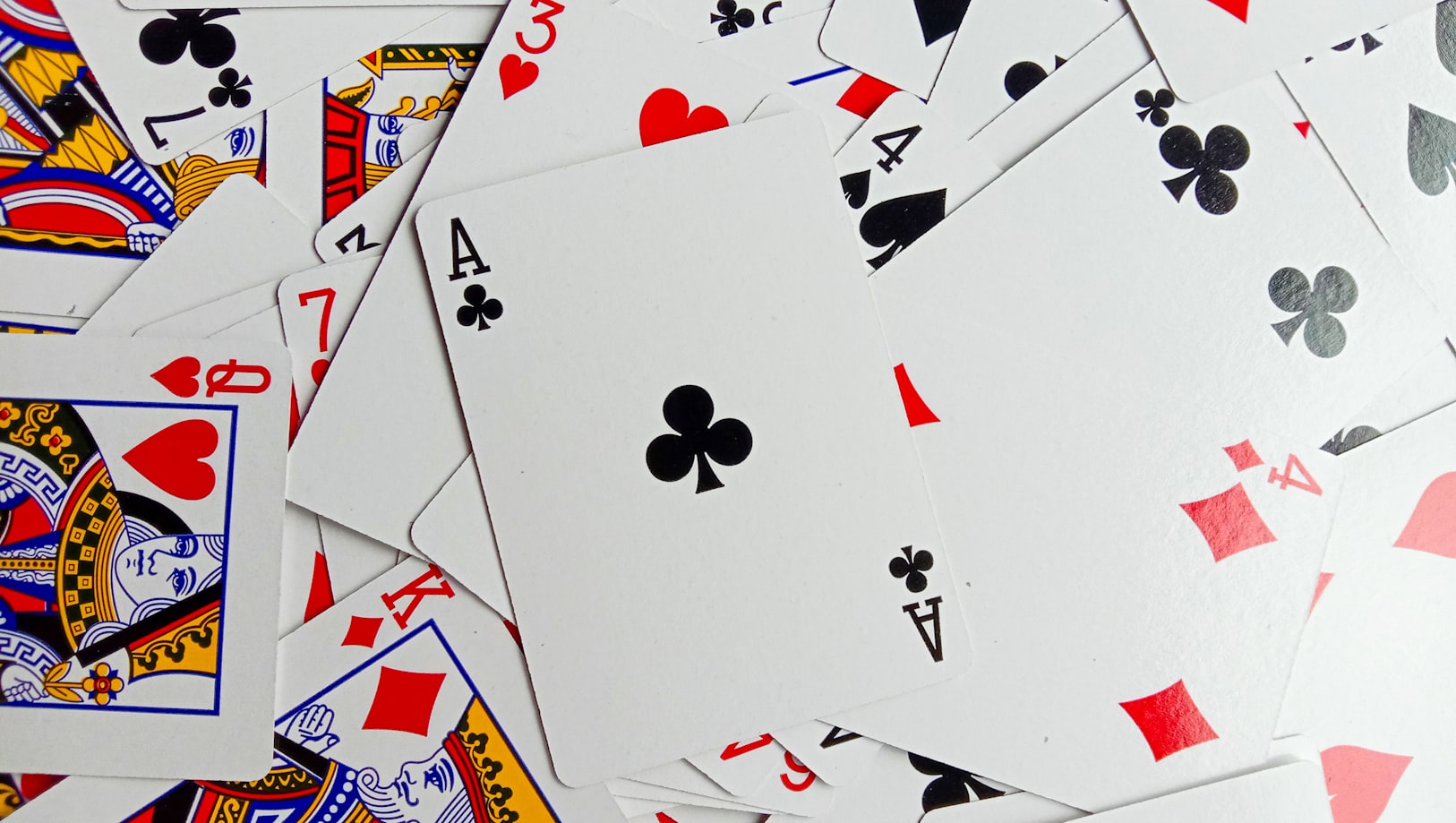
Understanding the realities of winning and losing is crucial for managing emotions and expectations. Players who are prepared for the ups and downs of casino games are more likely to enjoy themselves and make rational decisions regarding their wagers. This mindset helps them recognize that losses do not define their experience but rather contribute to the overall thrill of gambling. By accepting this reality, players can approach their gaming sessions with a healthier perspective.
Moreover, responsible gaming practices play a vital role in enhancing the gambling experience. This includes setting limits, knowing when to walk away, and understanding when it’s best to take a break. By remaining mindful of these practices, players can navigate their experiences in a way that reinforces enjoyment rather than despair, fostering a healthy relationship with gambling. This proactive approach can lead to a more positive experience in the long term.
The Role of Casinos and Responsible Gaming
Casinos today recognize the importance of promoting responsible gaming while enhancing the overall player experience. Many establishments implement programs designed to educate players about the realities of gambling and the odds associated with various games. These initiatives help dispel myths and promote a better understanding of casino odds, ensuring players are well-informed before placing their bets. This level of transparency fosters trust and encourages a more engaged player base.
Moreover, casinos often provide resources for players who may be struggling with gambling addiction or detrimental gambling habits. This includes self-exclusion programs, counseling services, and tools to help track spending. By prioritizing responsible gaming, casinos acknowledge their role in fostering a safe and enjoyable environment for all patrons. These measures not only support individual players but also contribute to a more responsible gambling culture overall.
Ultimately, informed players who understand the odds, house edge, and the realities of winning and losing are more likely to engage with their gaming choices in a fulfilling manner. Casinos that emphasize transparency, education, and responsible practices contribute significantly to a positive gambling culture, enhancing the experience not just for individual players but for the community as a whole. This collaborative effort ensures a safer gaming environment for everyone involved.